Pre-Drywall Inspection in Spring Hill, FL: What Buyers Should Know Before the Walls Are Closed
A pre-drywall inspection in Spring Hill, FL gives new construction buyers an important opportunity to have their home independently evaluated before the walls are closed. Buying a brand-new home is exciting—you get to watch your home take shape from the foundation up, choose finishes, and eventually walk into a home that has never been lived in before.
Buying a brand-new home is exciting. You get to watch your home take shape from the foundation up, choose finishes, and eventually walk into a home that has never been lived in before.
But one of the most important opportunities to have your new home independently inspected happens before the walls are closed.
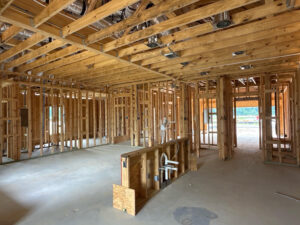
A pre-drywall inspection takes place after many of the home’s major structural and mechanical components have been installed, but before gypsum board is installed over the wall and ceiling framing. At this stage, an inspector has access to areas and components that may never be this visible again.
For buyers building a new home in Spring Hill, Brooksville, Weeki Wachee, Hudson, and surrounding Tampa Bay communities, a pre-drywall inspection can provide valuable information about the construction of the home before the project moves into its finishing stages.
What Is a Pre-Drywall Inspection in Spring Hill FL?
A pre-drywall inspection is an independent visual evaluation performed during new construction before the interior walls and ceilings are covered with gypsum board.
Timing is important.
The inspection generally takes place after the home has been framed and many of the rough-in components for the electrical, plumbing, and HVAC systems have been installed. Depending on the builder and construction schedule, other components may also be available for inspection.
Once gypsum board, insulation, cabinetry, flooring, and other finishes are installed, many of these areas will no longer be readily visible.
That is what makes the pre-drywall stage unique.
Why Have a Pre-Drywall Inspection on a Brand-New Home?
New does not necessarily mean perfect.
A new home may involve dozens of trades and subcontractors working at different stages of construction. Framers, electricians, plumbers, HVAC contractors, roofers, and other trades may all perform work on the property.
Building officials also perform required inspections throughout construction, but those inspections serve a different purpose than an independent home inspection.
A private pre-drywall inspection is performed for the buyer and provides another opportunity to observe the home while much of its construction is still exposed.
The purpose isn’t to criticize the builder or create conflict. It is to identify visible concerns while there may still be an opportunity for the builder to review and address them before construction continues.
What Does a Pre-Drywall Inspector Look At?
The exact scope depends on the stage of construction and what is accessible at the time of the inspection.
Some of the areas that may be evaluated include:
Framing and Structural Components
With the walls still open, the inspector can observe visible framing components and their installation.
This may include wall framing, roof framing, structural connections, headers, framing around openings, and other accessible components.
The inspector may identify concerns such as damaged framing members, improper alterations, incomplete connections, or other visible conditions that warrant further evaluation or correction.
Plumbing Rough-Ins
Much of a home’s plumbing will eventually be concealed behind walls, ceilings, cabinets, and finishes.
During the pre-drywall stage, accessible plumbing supply and drain components can often be observed before they are covered.
The inspection may identify visible installation concerns, damaged components, improper support, or other conditions that should be reviewed before the walls are closed.
Electrical Rough-Ins
Electrical wiring runs throughout the home’s walls and ceilings and will largely disappear from view once construction progresses.
A pre-drywall inspection provides an opportunity to observe accessible electrical wiring, boxes, penetrations, and other visible rough-in components before they are concealed.
HVAC Components
Ductwork and other HVAC components frequently travel through attics, walls, chases, and ceiling cavities.
At the pre-drywall stage, an inspector may be able to observe accessible ductwork, routing, connections, supports, and other visible components that may become difficult or impossible to see later.
Exterior and Roofing Components
A pre-drywall inspection isn’t limited to the inside of the home.
Depending on the construction stage, accessible exterior components, roof installation, penetrations, flashing, wall assemblies, windows, doors, and other visible components may also be evaluated.
Fireblocking, Penetrations and Other Visible Details
Open framing can reveal details that are difficult to evaluate after the walls are finished.
An inspector may observe accessible penetrations, fireblocking or draft-stopping components where applicable, and other installation details visible at the time of inspection.
The goal is not to predict what might be hidden later. It is to document what can actually be observed before it becomes concealed.
Why Timing Matters
This may be the most important thing for new-construction buyers to understand.
The pre-drywall inspection window can be very short.
Construction can move quickly once the home reaches this stage. Gypsum board installation may begin soon after the builder receives the required approvals to continue.
Buyers should stay in communication with their builder or construction manager and their home inspector as construction progresses.
As soon as you learn that your home is approaching the pre-drywall stage, contact your inspector. This gives everyone the best opportunity to coordinate the inspection within the builder’s permitted timeframe.
Builders may have their own requirements regarding third-party inspections, scheduling, access, documentation, and which construction stages are available for independent inspection. Buyers should confirm those requirements with their builder early in the construction process.
Does a Pre-Drywall Inspection Replace the Final Home Inspection?
No.
The two inspections serve different purposes.
A pre-drywall inspection allows the inspector to observe certain components before they are concealed.
The final new-construction inspection evaluates the substantially completed home and its accessible systems and components before closing.
For example, during the final inspection, plumbing fixtures, electrical components, HVAC equipment, doors, windows, appliances when applicable, interior finishes, exterior components, and numerous other items can be evaluated in their completed condition.
There are things we can see during pre-drywall that we won’t be able to see at final—and things we cannot fully evaluate until the home is completed.
That is why the inspections work together rather than replacing one another.
What About the Builder’s 11-Month Warranty Inspection?
There is another important inspection opportunity after you move in.
Many new homes include a builder warranty covering certain workmanship and materials during the first year. An 11-month warranty inspection is typically scheduled shortly before that warranty period expires.
By then, you’ve lived in the home for almost a year. You may have noticed things yourself, and an inspector may identify additional visible concerns that weren’t apparent when the home was brand new.
Together, these inspections can provide valuable checkpoints throughout the new-construction process:
Pre-Drywall → Final Inspection → 11-Month Warranty Inspection
Each occurs at a different stage and serves a different purpose.
New Construction Inspections in Spring Hill and Surrounding Communities
New construction continues throughout Spring Hill, Brooksville, Weeki Wachee, Hudson, Land O’ Lakes, Wesley Chapel, and other communities throughout Hernando, Pasco, and the greater Tampa Bay area.
At HomeGuard Inspections Inc., new construction is an area where experience matters.
Our inspection team combines professional home inspection experience with more than 25 years of residential construction experience, giving us an understanding of not only what a finished home looks like, but how the components behind those finished surfaces come together.
Our goal isn’t to make the construction process adversarial. It’s to provide our clients with an independent evaluation and clear documentation so they can communicate with their builder and make informed decisions throughout the construction of their new home.
Frequently Asked Questions About Pre-Drywall Inspections
When should I schedule my pre-drywall inspection?
Contact your inspector before the home reaches the pre-drywall stage. Once your builder or construction manager gives you an approximate timeframe, keep your inspector informed because the available inspection window can sometimes be narrow.
Can my builder restrict when an independent inspector can enter the property?
Builders may establish policies regarding third-party inspections, access, scheduling, safety requirements, and the construction stages at which inspections are permitted. Review your contract and communicate with your builder or construction manager about their specific requirements.
What if something is found during the inspection?
The inspection documents visible conditions observed at the time of inspection. The buyer can provide the findings to the builder or construction manager for review and appropriate action.
Is a pre-drywall inspection worth it if the home will have a final inspection?
They provide different information. The primary advantage of a pre-drywall inspection is the ability to observe accessible components before walls and ceilings conceal them. A final inspection evaluates the home after construction is substantially complete.
Should I still have an 11-month warranty inspection?
It can be another valuable opportunity to evaluate the home after it has been occupied and its systems have been operating for several months. Ideally, it is performed before the applicable builder warranty expires so documented concerns can be provided to the builder for review.
Protect Your New Home at Every Stage
Your new home is one of the largest investments you will make. A pre-drywall inspection provides an opportunity to have an independent professional look at accessible components of the home before many of them disappear behind finished walls and ceilings.
If you’re building a new home in Spring Hill or the surrounding Tampa Bay area, HomeGuard Inspections can help you through the inspection stages of your new construction journey.
Protecting What Matters Most.
Ready to schedule your pre-drywall inspection?
Contact HomeGuard Inspections Inc. at (727) 857-3095 or schedule your inspection online.