Mold Inspections
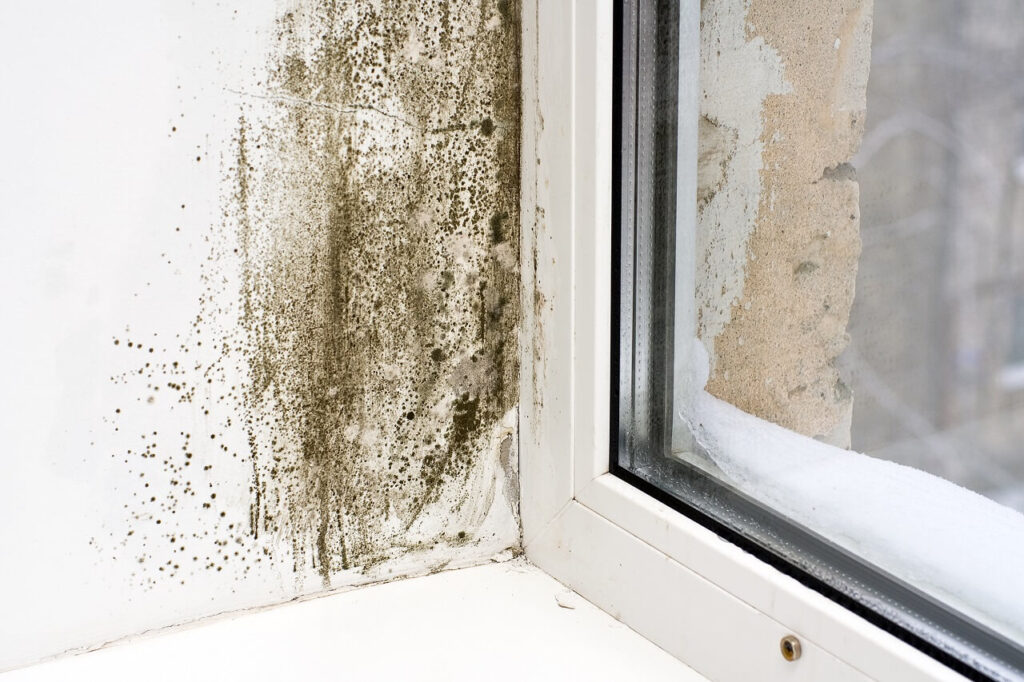
Florida’s climate makes mold a near-constant background concern for property owners. Humidity stays elevated year-round, HVAC systems handle heavy moisture loads, afternoon storms deliver heavy rain for weeks on end during the summer, and hurricanes periodically introduce water into buildings in ways that can take years to reveal fully. By the time musty odors or discolored surfaces catch a homeowner’s attention, mold growth is often more extensive than what’s visible. A mold inspection combines a professional visual evaluation with laboratory sample analysis to document what’s actually present in a property’s air and on its surfaces.
HomeGuard Inspections provides mold inspections throughout Spring Hill, Brooksville, Wesley Chapel, Tampa, Land O’Lakes, Hudson, New Port Richey, Tarpon Springs, Clearwater, Town ’N’ Country, Lutz, Odessa, Riverview, Zephyrhills, Dade City, Weeki Wachee, and across Hernando, Pasco, Hillsborough, Pinellas, and Citrus counties. With more than 25 years of construction and home inspection experience, our team approaches mold inspection as a diagnostic exercise that blends building science knowledge with proper sampling protocols. We’re licensed and insured, deliver same-day reports when conditions allow, and treat every inspection as part of our broader commitment to Protecting What Matters Most.
About the Mold Inspection
A mold inspection systematically evaluates a property for mold growth, water intrusion, moisture conditions that support it, and the indoor environment that supports or discourages biological activity. The inspection combines a visual review with professional sampling when conditions warrant, and the deliverable includes on-site findings and laboratory analysis of any samples collected.
Our home inspectors start by discussing why you’re ordering the inspection. A mold inspection after a known plumbing leak differs in focus from an inspection ordered during a real estate transaction, and both differ from an inspection prompted by occupant health concerns. Understanding the underlying reason shapes where our team focuses its attention and which sampling strategy makes sense.
The visual inspection covers the areas of the property most likely to show mold growth or the conditions that lead to it. We review bathrooms, kitchens, laundry areas, and any room with plumbing fixtures for signs of past or active moisture. We also inspect HVAC equipment, including air handlers, condensate drains, return air plenums, and accessible ductwork, because these systems move both air and moisture throughout the property. We examine attic spaces for roof leaks, insulation condition, ventilation adequacy, and any staining or growth on framing or sheathing. When crawlspaces are present, we also visually review vapor management, framing moisture, and any evidence of standing water or biological activity.
Exterior conditions get documentation too. Roof systems, flashings, cladding, caulking, and grading all affect how water interacts with the building, and moisture-driving conditions often start outside. We review window and door frames, inside and out, for signs of water infiltration. Thermal imaging is used when conditions warrant, since temperature differentials often reveal moisture patterns not yet visible on finished surfaces.
When appropriate, sampling follows established protocols. Air samples are collected using calibrated pumps and spore trap cassettes, and indoor samples are compared with an outdoor control sample so the laboratory can determine whether indoor concentrations and species composition suggest an indoor amplification source. Surface samples, collected via tape lift or swab, document visible growth and allow the lab to identify what’s present. We select sampling locations based on visual findings, moisture readings, HVAC configuration, and the questions the inspection is intended to answer.
We compile laboratory results into a written report alongside our visual findings. Reports identify the mold types present, note comparative concentrations where applicable, and describe both the physical conditions observed and any sampling results. When conditions suggest professional remediation is appropriate, the report states that clearly. Where findings don’t indicate elevated concern, the report says that too. Reports are delivered digitally and often arrive the same day the lab completes its turnaround.
Why Mold Inspections Matter in the Tampa Bay Region
West Central Florida combines several environmental factors that create persistent mold pressure. Average humidity levels across Hillsborough, Pinellas, Pasco, Hernando, and Citrus counties stay high year-round, so any moisture introduced into a building finds an environment ready to support biological growth. HVAC systems in Florida homes work hard to cool the air and remove moisture. When condensate management fails, systems may be oversized and don’t run long enough to dehumidify effectively, or ductwork may sweat in humid attic spaces; mold often grows quietly over months.
Hurricane and tropical storm exposure introduces water into buildings in ways that often go unaddressed. Even when roofs appear intact after a storm, wind-driven rain can enter through small defects at penetrations, flashings, and openings, and the resulting water migrates through wall cavities and insulation before showing itself. A mold inspection in the months following a storm event can catch conditions early, before biological growth becomes extensive. For homes in flood-prone areas across Hudson, New Port Richey, and parts of lower Pinellas County, documented inspection also supports insurance conversations when claims become relevant.
Older concrete block stucco construction common throughout the Tampa Bay area has its own moisture considerations. Stucco cracks allow water infiltration, interior gypsum board behind block walls can wick moisture, and together they create mold conditions that aren’t visible without a professional diagnostic approach. Attic conditions in Florida homes often involve high humidity, insulation gaps, and ductwork sweating that together drive biological activity on sheathing and framing. Our home inspectors know what to look for in each context.
Real estate transactions often involve mold inspections, particularly for older homes, properties with a known water history, or buyers who are especially sensitive to indoor air quality. Health-driven inspections also come up regularly, though we note that our role is to document physical conditions and sample results. Health implications of specific mold exposure are medical questions for a qualified healthcare provider, and our reports focus on what’s present rather than making claims about biological effects.
Why Choose HomeGuard Inspections for Your Mold Inspection?
Our team brings more than 25 years of construction and home inspection experience to every mold inspection. That experience means we understand how buildings move water, where moisture tends to accumulate, and how construction practices across different eras of Florida housing affect mold vulnerability. We’re licensed and insured, which protects both the client and the property during sampling.
We use professional-grade sampling equipment and work with established laboratories. We structure our reports so homeowners, real estate agents, remediation contractors, and insurance representatives can use the information. We provide same-day reporting for the visual portion of the inspection, with laboratory results following based on the sampling scope and the lab’s turnaround schedule. We offer drone roof inspections when roof evaluation is part of the mold investigation, which is often the case when water intrusion from above is possible.
As a multi-inspector firm, we accommodate the scheduling demands mold inspections often involve, including same-day or next-day appointments when occupants have urgent concerns or transactions move quickly.
Schedule Your Mold Inspection in Tampa, Spring Hill, Clearwater, and Beyond Today
HomeGuard Inspections offers mold inspections alongside home inspections, 4-point inspections, wind mitigation inspections, insurance inspections, new construction inspections, sewer scope inspections, and thermal imaging services. Mold inspection pairs naturally with thermal imaging when moisture mapping is part of the investigation, and clients who are addressing broader property questions often bundle mold inspection with the home inspection or insurance inspection scope. For post-storm property evaluations, combining mold inspection with wind mitigation and 4-point work produces a comprehensive picture in a single appointment.
To book your mold inspection, contact us or schedule online. We serve Spring Hill, Brooksville, Wesley Chapel, Tampa, Land O’Lakes, Hudson, New Port Richey, Tarpon Springs, Clearwater, Town ’N’ Country, Lutz, Odessa, Riverview, Zephyrhills, Dade City, Weeki Wachee, and the broader Hernando, Pasco, Hillsborough, Pinellas, and Citrus counties. Whether you’re investigating a known leak, evaluating a property during a real estate transaction, addressing occupant concerns, or documenting conditions after a storm event, our home inspectors are ready to bring the diagnostic approach and professional sampling your situation calls for.